- What iPaaS helps you do
- Why iPaaS is becoming essential
- Traditional approaches to integrations
- What modern teams actually need
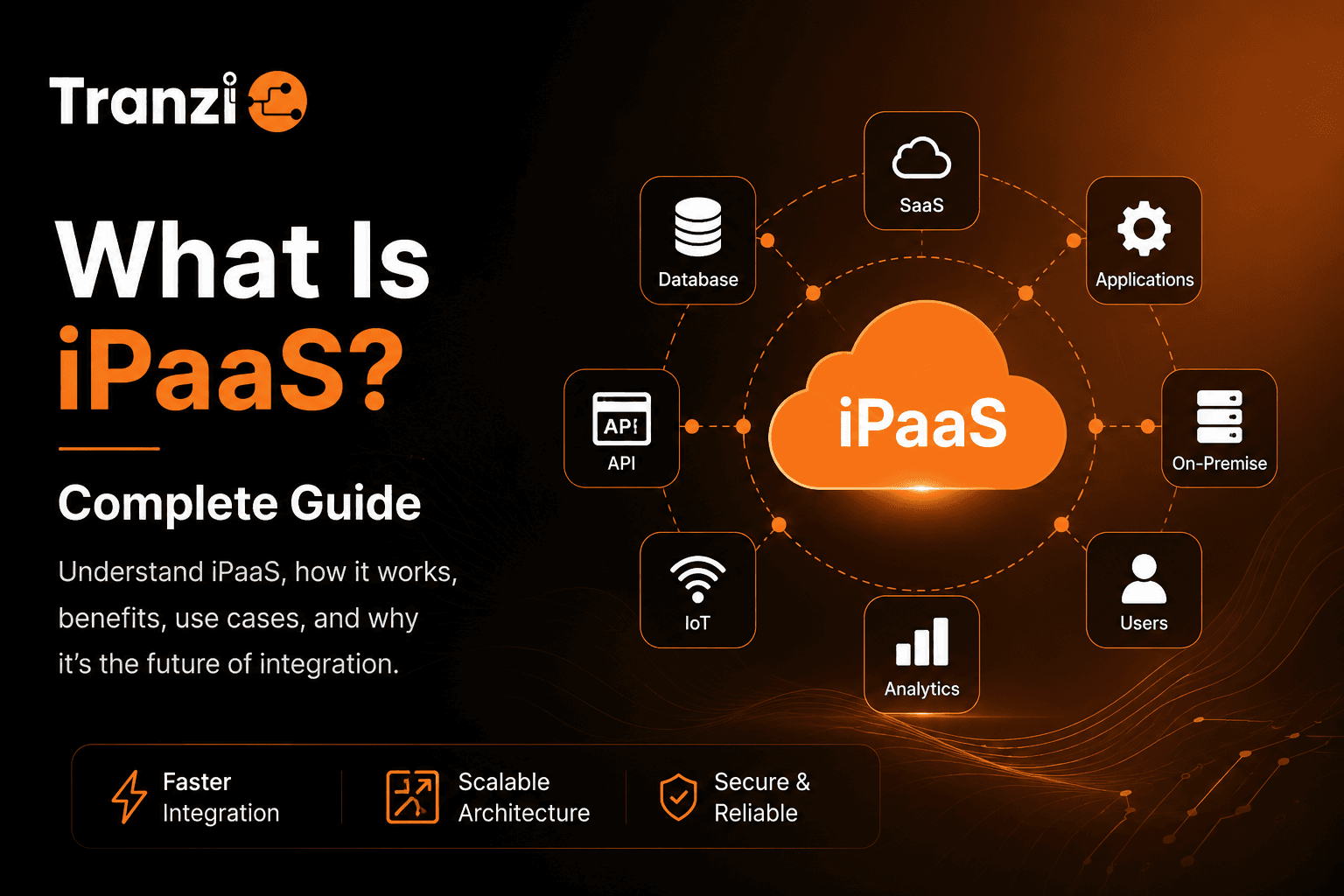
If your product integrates with other systems, you're already dealing with integration complexity—whether you realize it or not.
From syncing data between APIs to handling transformations and orchestrating workflows, integrations are no longer optional for modern SaaS products.
This is where iPaaS (Integration Platform as a Service)comes in.
Most explanations of iPaaS are either overly technical or too generic. This guide provides a practical breakdown for modern SaaS teams.
What iPaaS Actually Helps You Do
An iPaaS platform typically enables teams to:
- Connect different applications via APIs
- Transform data between systems
- Automate workflows across services
Instead of writing custom integration code every time a new system needs to be connected, an iPaaS provides reusable infrastructure to build and manage integrations.
Why iPaaS Is Becoming Essential
Modern SaaS products rely heavily on integrations with other systems.
- CRMs
- ERPs
- Payment systems
- Internal tools
Each integration introduces complexity such as:
- Different APIs
- Different authentication methods
- Different data schemas
- Ongoing maintenance
Without a structured integration platform, managing these integrations quickly becomes difficult and expensive.
The Problem With Traditional Approaches
Most teams approach integrations in one of two ways.
1. Building Everything In‑House
- Full control
- Maximum flexibility
But this approach also introduces problems:
- Slow development cycles
- Ongoing maintenance overhead
- Difficult debugging across systems
2. Using No‑Code Automation Tools
- Fast to get started
- Easy to connect common services
However these tools often struggle when integrations grow complex.
- Limited data transformation capabilities
- Poor observability
- Difficult debugging
- Vendor lock‑in
As integrations scale, teams often discover they need both the speed of automation tools and the flexibility of custom integrations.
What Modern Teams Actually Need
A modern iPaaS should provide both speed and flexibility.
- Visual pipeline building
- Complex data transformation (nested JSON, mappings)
- Debugging and observability
- Flexibility without losing control
Where Current Tools Fall Short
Many existing integration tools struggle at scale.
- They don't scale well with complexity
- Pricing increases quickly
- Workflow logic becomes hidden in black boxes
When that happens, teams often end up returning to custom code again.
A Better Approach
Instead of choosing between speed (no‑code tools) and control (custom integrations), modern integration platforms aim to combine both.
This means enabling teams to build integrations quickly while still maintaining full visibility and flexibility.
This is the direction platforms like Tranzio are moving toward.
Conclusion
iPaaS is no longer a "nice‑to‑have" tool. It is quickly becoming a core layer in modern software architecture.
As products rely on more APIs and integrations, having a structured platform to manage that complexity becomes essential.